Handwritten Notebook
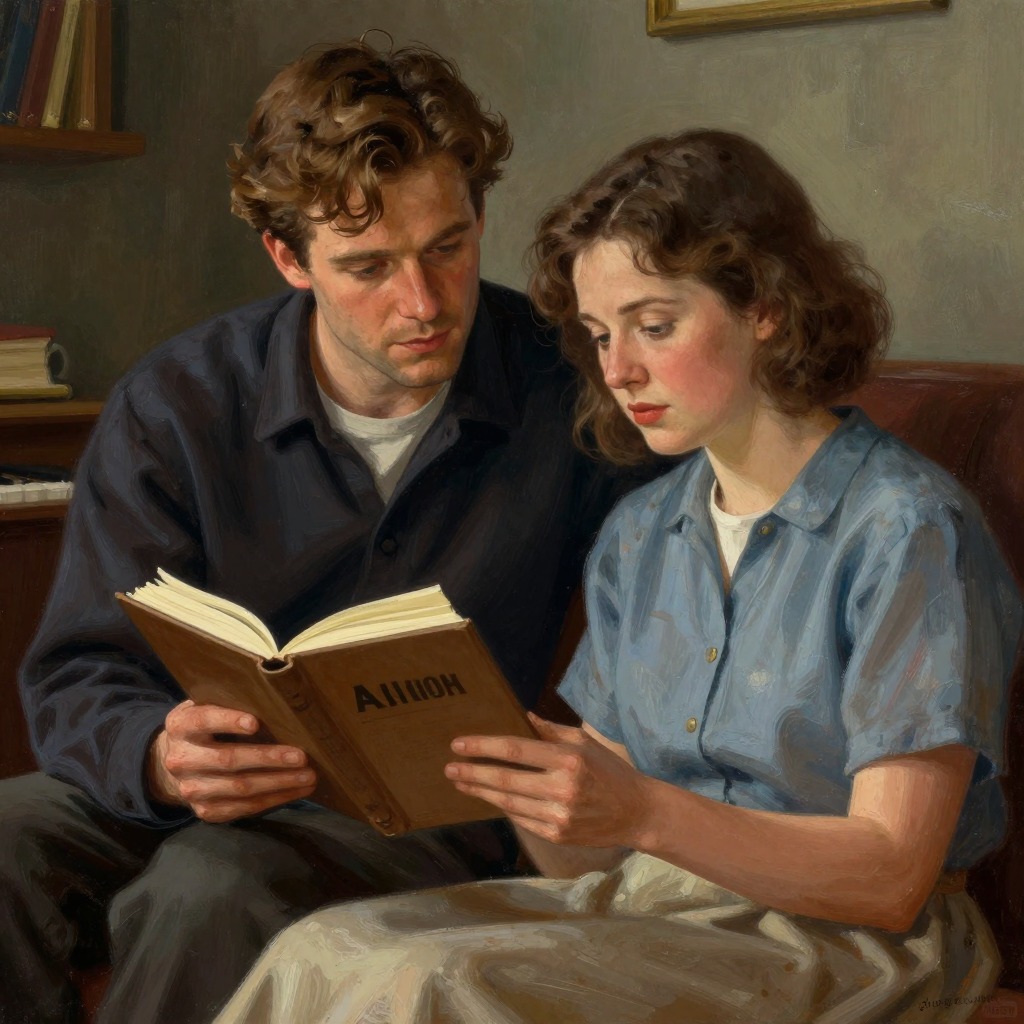
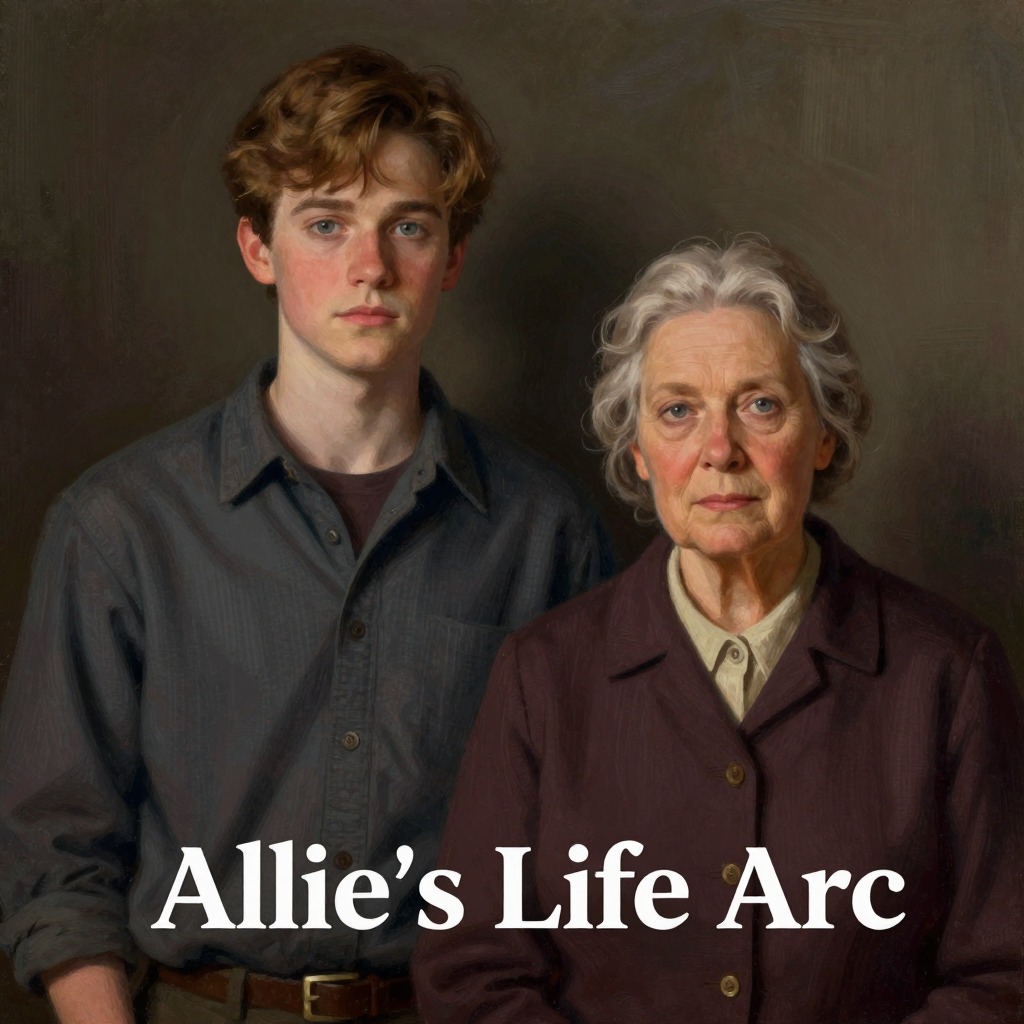
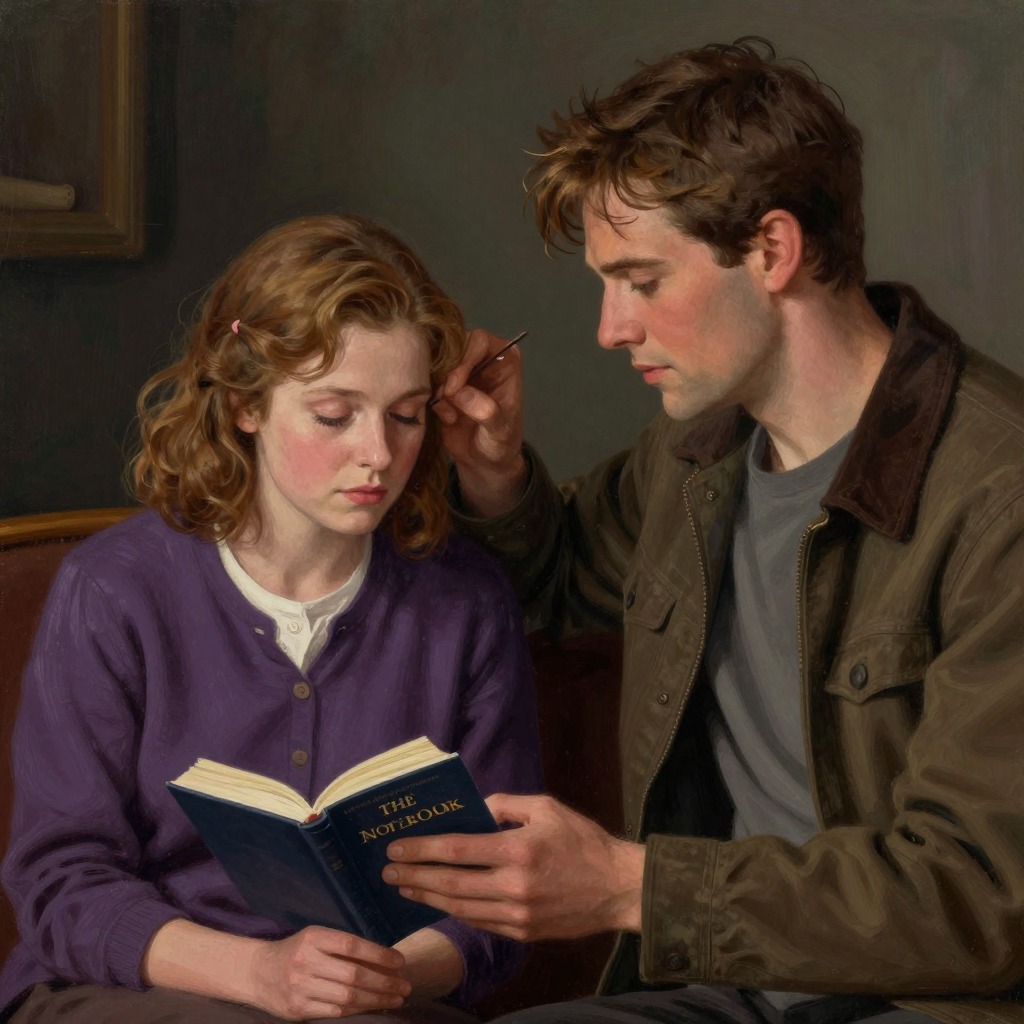
The Handwritten Notebook is the physical and symbolic heart of the novel, a worn, well-read manuscript that the elderly Noah Calhoun carries with him each morning as he shuffles through the halls of the Creekside Extended Care Facility. It is not merely a book; it is a ritual object, a lifeline, and the primary instrument of his daily battle against his wife Allie's Alzheimer's disease. The notebook contains the story of their lives—their passionate summer in 1932, their fourteen-year separation, and their eventual reunion—and Noah reads it aloud to her in the hope that the miracle of their love will, for a time, prevail over her lost memory.
Physical Description and Ritual
The notebook is a tangible, well-worn object, its cover opened only with effort. Noah, his fingers gnarled by arthritis, must lick his finger twice to turn the pages, and he uses a magnifier to read the text. He has read it a hundred times, and the act of reading is a deliberate, sacred ritual performed each morning. He sits in a chair that has come to be shaped like him, in a room where the door is propped open, and he reads aloud so that she can hear. The notebook is the centerpiece of a daily routine that has become the defining purpose of his life.
The Story Within
The notebook contains the narrative of Noah and Allie's love story, written by Noah himself. It begins with his return to New Bern after World War II and his restoration of the old plantation house, and it recounts their meeting at the Neuse River Festival in 1932, their idyllic summer, and their forced separation due to class differences. The story continues through Allie's engagement to Lon Hammond Jr., her decision to visit Noah after seeing a newspaper article about his house, their reunion, and the stormy day they spent together that rekindled their love. The notebook's narrative is the core of the novel, and its reading is the central action of the present-day frame story.
The Letter and the Promise
Within the notebook, or alongside it, is a final letter from Allie to Noah, written by candlelight as he slept. In it, she explains her purpose in having him write their story: "When I am lost and lonely, read this story—just as you told it to the children—and know that in some way I will realize it's about us. And perhaps, just perhaps, we will find a way to be together again." This letter transforms the notebook from a simple memoir into a deliberate therapeutic tool, a promise of connection across the chasm of her disease. Noah reads this letter when the mood strikes him, and it reinforces his commitment to the daily ritual.
The Notebook as a Tool Against Disease
The notebook is Noah's primary weapon against the ravages of Alzheimer's. On good days, after he reads, Allie's condition improves; she becomes lucid, her emotions are normal, and she can hold a conversation. The doctors call it impossible, but the nurses recognize it as love. The notebook is the key to these moments of grace, a tangible link to her identity that, for a brief time, can overcome the disease. When the thief of memory comes, as it always does, Noah is left holding the notebook, crying softly in the corner, but he never abandons the ritual.
The Anniversary Miracle
On their forty-ninth anniversary, Noah, defying the rules, sneaks into Allie's room at night. He slips a note under her pillow and leans in to kiss her. In a moment of profound miracle, she responds, murmuring, "Oh, Noah... I've missed you." This moment, the greatest of all miracles, is the culmination of years of reading the notebook. It is the ultimate proof that the story, the love, and the notebook itself have the power to reach her, even in the depths of her disease. The notebook is not just a record of the past; it is the active agent of a present miracle.